Overview
Understanding Gambling Addiction
People who are addicted to gambling, also referred to as compulsive gambling or gambling disorder, keep doing it even when it hurts them. The National Council on Problem Gambling (NCPG) says that millions of adults around the world meet the criteria for problem gambling every year.
Some common causes are:
- Getting away from stress, sadness, or boredom
- Chasing losses to “win it back”
- Online betting and casino apps are easy to get to.
- Beliefs that are wrong about luck, control, or “being due” for a win
Like other addictions, it changes how the brain’s reward system works, which makes it hard to stop even when the person wants to.
Signs of Gambling Addiction
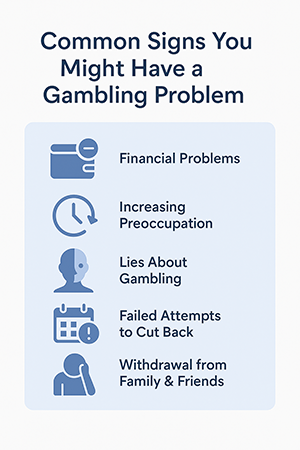
Everyone has a different experience, but common warning signs include:
- Keeping your gambling habits a secret from friends and family
- Telling lies about how much time or money you spend on gambling
- Getting money for bets by borrowing or selling things
- Getting anxious or restless when you try to quit
- Gambling and missing work, school, or family events
If you see a lot of these signs, you’re not alone. There is help available, and you can get better.
How to Help Yourself
If you think you might have a problem with gambling:
-
- Do a self-assessment: GamCare and NCPG offer free tools that can help you figure out how risky you are.
- Set limits: A lot of online casinos let you set limits on how much you can deposit and how long you can play. Use them to limit your play.
- Self-exclude: Sign up for programs like GAMSTOP (UK) or state self-exclusion lists (U.S.) to stop yourself from going to gambling sites.
- Talk to someone: Support groups and counselors can help you get your life back on track and feel better about yourself.
Keep in mind that recovery doesn’t mean giving up all the fun things you do; it means finding a better balance.
How to Help a Loved One
It’s hard to watch someone you care about have trouble with gambling. But your support is important.
Here’s what you can do:
- Don’t judge and stay calm.
- Shame only makes things worse.
- Encourage people to talk to each other honestly.
- Offer to go to counseling or support meetings with them.
- Don’t lend them a lot of money or pay off their debts to protect your money.
- You should also take care of yourself.
- People who are related to problem gamblers often need help too.
Gam-Anon and other groups like it help friends and family members who are dealing with gambling addiction.
Treatment and Recovery Options
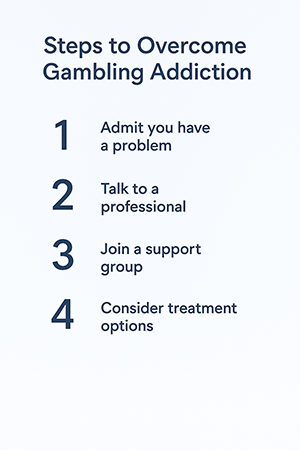
There is no one-size-fits-all cure, but some treatments that are effective are:
- Cognitive Behavioral Therapy (CBT): can help you find triggers and change harmful thoughts.
- Support groups: There are Gamblers Anonymous (GA) meetings all over the world.
- Financial counseling: It teaches you how to make a budget and helps you get back on your feet.
- Medication: In serious cases, a licensed professional may prescribe antidepressants or mood stabilizers.
It’s possible to get better. Many people who used to have problems with gambling now live happy, healthy, and debt-free lives.
Prevention and Safer Play Tips
You don’t have to stop gambling completely, but you should do it responsibly:
- Before you play, decide how much time and money you can spend.
- Don’t ever gamble when you’re angry or drunk.
- Treat gambling as entertainment, not income.
- Keep track of how much you play and take breaks.
- Use things like reality checks and self-exclusion programs.
Editors Note: I personally never risk more than 10% of my daily bankroll when I play. – Adam
Global Gambling Help Resources
If you or someone you know needs help, contact these trusted organizations:
| Region | Organization | Contact |
|---|---|---|
| 🇺🇸 USA | National Council on Problem Gambling | 1-800-522-4700 or ncpgambling.org |
| 🇬🇧 UK | GamCare / GAMSTOP | 0808 8020 133 or gamcare.org.uk |
| 🇨🇦 Canada | ConnexOntario | 1-866-531-2600 |
| 🇦🇺 Australia | Gambling Help Online | gamblinghelponline.org.au |
If it’s an emergency, contact your local health professional or emergency hotline.
Editorial & Affiliate Disclosure:
The information on this page is for educational purposes only. It should not be used as medical advice. Always consult a licensed counselor, psychologist, or addiction specialist for personal support.
No Deposit Casinos 247 provides educational and responsible gambling resources independently from our partner promotions. While we may earn commissions from some casino links on this site, this page and its recommendations were created solely for awareness and public information purposes. Our editorial content is unbiased and never influenced by affiliate agreements.
Frequently Asked Questions
Q: What is gambling addiction?
A: Gambling addiction, or gambling disorder, is the inability to stop gambling despite harmful consequences. It’s recognized as a mental health condition that can affect finances, relationships, and emotional well-being.
Q: Can gambling addiction be cured?
A: There’s no permanent cure, but recovery is absolutely possible with therapy, support groups, and self-exclusion tools.
Q: How can I gamble responsibly online?
A: Set clear limits, track your spending, and use casino responsible-gaming tools. If you feel tempted to exceed your budget, take a break or self-exclude.
Q: Where can I get confidential help?
A: In the U.S., call 1-800-522-4700 for free 24/7 help. In the UK, contact GamCare or GAMSTOP for live chat support.